If you spend your day hunched over a computer in Airdrie, Calgary north, Crossfield, Cochrane, or Balzac, your neck, shoulders, and lower back are paying the price. Athletic therapy can retrain your muscles, ease pain, and help you sit better so you feel stronger at work and at home.
Key Takeaways
- Sitting for long hours shortens your chest muscles, weakens your upper back, and tilts your pelvis forward, creating a painful posture pattern that athletic therapists can help you break.
- Neck and shoulder pain from desk work often comes from your upper back being too weak to support your head weight over time.
- Lower back pain in office workers usually stems from tight hip flexors, a rounded lower spine, and weak core muscles that should stabilize your sitting position.
- Athletic therapy combines hands-on release, specific stretches, strengthening exercises, and posture coaching so you can feel stronger and work pain-free.
- Revival Therapeutics & Performance in Airdrie offers athletic therapy and complementary treatments to help desk workers recover and stay pain-free long term.
This guide is for anyone who works at a desk, at home, or in an office in Airdrie and the surrounding region who wants to understand why sitting hurts and how to address it. Whether you commute to Calgary, work locally, or manage your business from your kitchen table, you’ll learn the real reasons desk work causes pain and what athletic therapy can do for you. Revival Therapeutics & Performance in Airdrie offers athletic therapy and massage therapy that work together to release tight muscles and rebuild strength. Our athletic therapists (CATs) are trained to spot the movement patterns that create pain, then teach you how to move and sit better.
Airdrie is a busy hub where people balance long work hours with active lives. Many residents commute to Calgary offices, work in local healthcare and trades, or run businesses from home. The postural stress of sitting all day, then trying to stay active on weekends, catches up fast. That’s where athletic therapy and injury prevention make a real difference. You don’t have to live with desk pain.
Why Desk Work Hurts Your Neck, Shoulders, and Lower Back
The posture trap: what sitting all day really does to your body
When you sit for hours, your body adapts to the slouched position. Your chest muscles tighten and shorten because they’re held in a rounded-forward state. Your upper back muscles lengthen and weaken because they’re stretched out and under-used. Your head drifts forward to see the screen, adding extra weight and strain to your neck. At the same time, your hip flexors (the muscles on the front of your hips) tighten from being bent all day. Your lower back curves forward more than it should, and your core muscles, which should support your spine, go quiet. Over weeks and months, this posture becomes your new normal. Your brain learns the slouched shape as neutral, so you stop noticing the strain until pain shows up.
How tight muscles create neck and shoulder pain
Your neck pain usually starts in your upper back. The muscles between your shoulder blades (your mid-back) are supposed to pull your shoulders back and hold your head upright. But sitting rounds your shoulders forward, so these muscles stay stretched and weak. Your neck muscles have to work overtime to hold your head up, and they fatigue quickly. Then tight chest muscles pull your shoulders forward even more, and you get a painful knot of tension in your upper trapezius (the muscle from your neck to your shoulder). That’s the spot that hurts when you turn your head or reach for your phone. An athletic therapist at Revival Therapeutics & Performance can release those tight muscles and teach you how to activate the weak ones so your neck and shoulders feel supported again.
Lower back pain: the hidden cost of sitting
Your lower back pain is usually not a disc problem or a structural injury. It’s a pattern. Your hip flexors tighten from sitting bent at the hips. Your lower back arches more to compensate, putting extra pressure on the small joints at the base of your spine. Your core muscles, especially your deep abdominal muscles, aren’t working hard enough to stabilize your spine. So your lower back muscles have to do all the work, and they get tired and sore. Add a few years of this, and you might start to feel pain when you stand, lift, or even just sit longer. Athletic therapy addresses all three pieces: it releases the tight hip flexors, teaches your core to support your spine, and helps you find a sitting position that doesn’t load your lower back.
How Athletic Therapy Addresses Desk Worker Pain
Hands-on release and soft tissue work
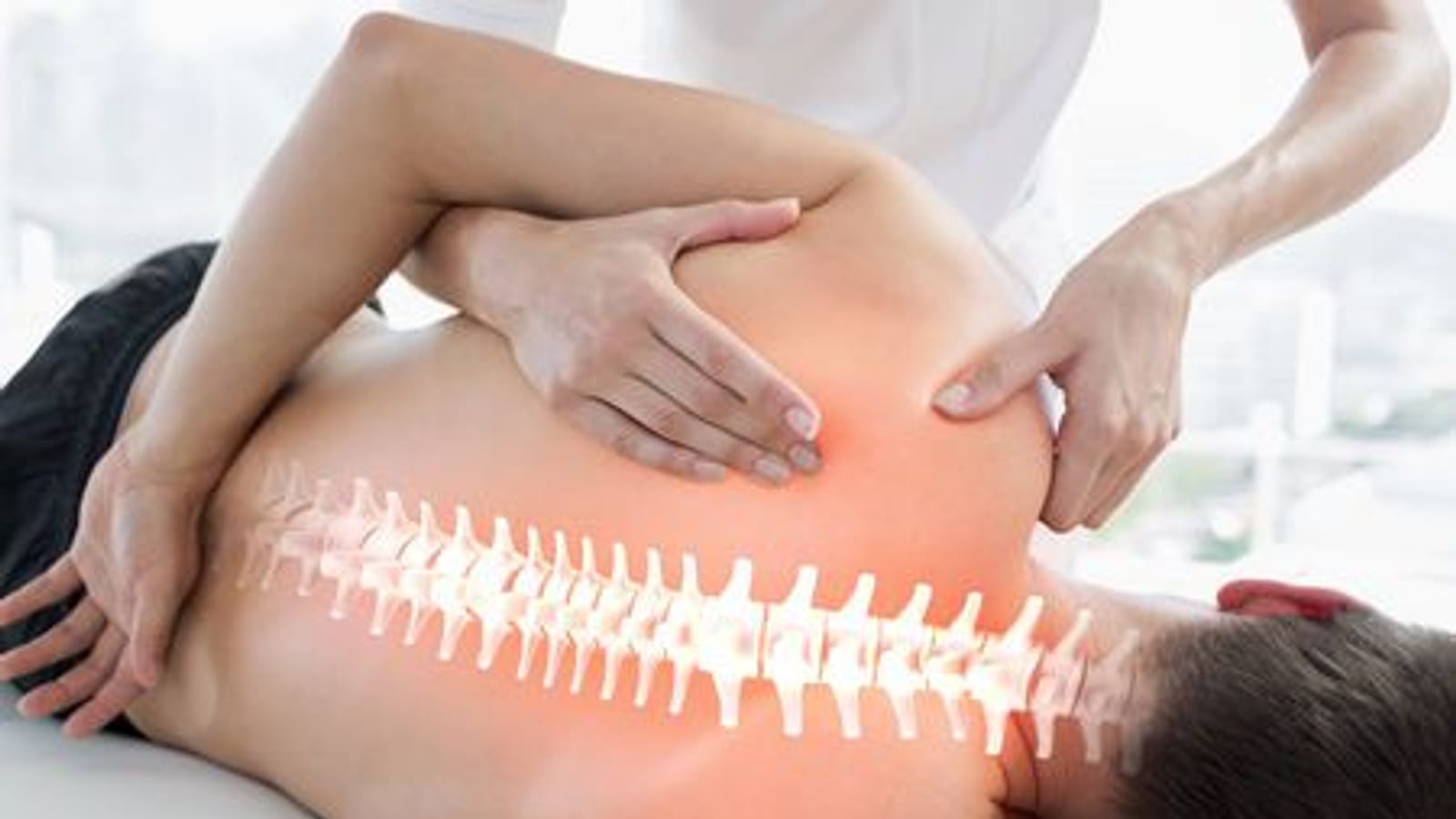
The first part of athletic therapy is releasing the muscles that are locked tight from sitting. Your athletic therapist at Revival Therapeutics & Performance will use hands-on techniques to release tight chest muscles, shoulder muscles, hip flexors, and the muscles along your lower back. This isn’t a gentle spa massage. It’s targeted work to break up muscle tension, improve blood flow, and help your muscles relax so they’re ready to move and strengthen. Many desk workers say that after even one session, they can move their head or twist their torso further without pain. That relief comes partly from the release work and partly from knowing your body can move again.
Stretching and mobility to restore normal range
Once tight muscles are released, stretching helps keep them long and flexible. Your athletic therapist will teach you stretches for your chest, hip flexors, lower back, and neck that you can do at home between visits. These aren’t random stretches. They’re specific to your body and your pain pattern. For example, if your chest is tight and your shoulders are rolled forward, you’ll learn chest stretches and shoulder mobility work. If your hip flexors are short, you’ll get hip flexor stretches and couch stretches. Your therapist will show you how to do them right so you actually feel the stretch and don’t waste time on moves that don’t help.
Strengthening the muscles that support sitting and standing
Stretching alone doesn’t address desk pain. You also need to build strength in the muscles that keep you upright and stable. Your athletic therapist will teach you exercises to activate your upper back muscles (so they can hold your shoulders back), strengthen your core (so your spine is supported), and build stability in your hips and glutes (so you’re not relying on your lower back to hold you up). These exercises start easy and progress as you get stronger. You might start with exercises lying down or sitting on the floor where gravity isn’t working against you. Then you’ll move to standing and dynamic movements that mimic sitting at a desk or standing at work. The goal is to make strength automatic so good posture feels easy.
How to Know if Athletic Therapy Is Right for You
Signs that desk work is hurting your body
You might benefit from athletic therapy if you notice any of these signs. Pain or stiffness in your neck, especially when you turn your head or look down at your screen. Shoulder tension that never quite goes away, even after stretching or massage. A persistent ache in your lower back that gets worse as the day goes on. Headaches that seem to start from tension in your neck. A feeling that your shoulders live up by your ears. Difficulty standing up straight because your chest is so tight. Pain when you reach your arm across your body or reach up. Any of these signs means your muscles have adapted to sitting in ways that are creating pain or limiting movement. An athletic therapist can assess you and build a plan to address it.
When to see an athletic therapist versus other providers
Athletic therapy is hands-on muscle and movement work. It’s ideal if your pain comes from postural strain, muscle tightness, and weak stabilizer muscles. That’s the case for most desk workers. If your pain also involves other factors (like a previous injury, a condition like arthritis, or a lot of inflammation), you might benefit from athletic therapy combined with massage therapy, or you might work with your doctor to rule out other causes first. Revival Therapeutics & Performance has athletic therapists and registered massage therapists (RMTs) on staff, so you can get both types of care in one place. If you have a past motor vehicle accident or a work-related injury, your visit might be covered by WCB-Alberta or your insurance plan. Call us at 403-945-1530 to ask about your specific situation.
How to start: what a first visit looks like
Your first visit is an assessment. Your athletic therapist will ask about your pain, your work setup, your daily activities, and any past injuries. They’ll watch how you move, sit, and stand. They’ll test your strength and flexibility. They’ll feel your muscles to find tight spots and assess where your movement is restricted. Then they’ll explain what they found, show you what’s causing your pain, and build a plan with you. You might get some hands-on work in that first visit. You’ll definitely get homework: stretches and exercises to do at home. You’ll leave the first visit understanding your body better and knowing what to expect in future sessions. Most desk workers see their athletic therapist weekly or every other week for 4 to 8 weeks, depending on how long the pain has been there and how diligently they do their home exercises.
Step-by-Step Plan to Start Feeling Better at Your Desk
Your action plan to begin recovery
If you’re ready to stop tolerating desk pain, here’s how to get started:
- Assess your work setup. Look at your desk, chair, and screen height right now. Your screen should be at eye level when you sit with your shoulders relaxed. Your elbows should be at 90 degrees when your hands are on the keyboard. Your feet should be flat on the floor or a footrest. Small adjustments today can reduce pain tomorrow.
- Notice your posture patterns. For the next few days, pay attention to how you sit. Are your shoulders up by your ears? Is your head forward? Are you slouching? Just noticing builds awareness, and awareness is the first step to change.
- Try one desk-friendly stretch. Ask yourself what’s tight right now. If your chest is tight, do a doorway chest stretch or a corner stretch. If your hip flexors are tight, do a low lunge. Hold for 30 seconds and repeat three times. Do this once a day for a few days.
- Book an appointment with an athletic therapist. Visit https://builtbyrevival.janeapp.com or call 403-945-1530 to book with Amanda, Ally, Carly, Jiayi, Jessica or Venedict. You can book online and see availability right away.
- Come prepared to your first visit. Wear comfortable clothes you can move in. Bring a list of activities that hurt or that you want to be able to do again. Tell your therapist about your work setup and your daily routine so they can tailor your plan.
- Do your home exercises. Your athletic therapist will give you stretches and exercises to do at home. Doing them three to five times a week is what makes the difference. If you do them, you’ll feel progress in 2 to 3 weeks.
- Revisit your desk setup. Once your body is feeling stronger, make sure your desk, chair, and screen position really support good posture. Small tweaks can prevent pain from coming back.
How to stay accountable with stretches and exercises
The biggest reason people don’t see results from home exercises is that they skip them or forget to do them. Set a specific time each day to do your stretches and exercises, just like you’d block time for a meeting. Put them in your calendar. Tell a friend or family member you’re doing them so they can remind you. Start with just 5 to 10 minutes a day, then build up as it becomes a habit. Take a photo of each exercise or write down the sequence so you remember exactly what to do. After 2 to 3 weeks, your routine will feel automatic, and you’ll notice you’re moving better and feeling less pain. That’s when you know the habit is working.
Building Lasting Strength and Preventing Pain from Returning
The role of core strength in a healthy back
Your core isn’t just your six-pack abs. It’s your deep abdominal muscles, your lower back muscles, your pelvic floor, and your diaphragm all working together to support your spine. When you sit all day, your core goes quiet. Your spine isn’t being challenged to stay upright, so those stabilizer muscles don’t activate. Then you stand up and try to do something, and your lower back has to do all the work. Building core strength means waking up those deep muscles so they support your spine automatically, whether you’re sitting, standing, or moving. Your athletic therapist will teach you how to activate your core and progress your exercises over time. Strong core muscles are your best insurance against back pain.
Postural habits that stick
Knowing the right posture and doing it are two different things. Your athletic therapist won’t just tell you to sit up straight. They’ll teach you how to find a neutral spine position, how to relax your shoulders away from your ears, and how to feel the difference between slouching and sitting well. They’ll give you small cues you can use throughout the day, like "shoulders back and down" or "sit tall through your whole spine." Over time, good posture will feel as natural as slouching does now. You’ll catch yourself before you round forward because your body has learned something stronger. That’s when you know the pattern has really changed.
When to return for tune-ups or maintenance
Most people finish their initial athletic therapy once their pain is gone and they’re confident in their stretches and exercises. But some people like to come back every few months for a tune-up, especially if they’re in a high-stress period at work or if they’re ramping up their activity level. A tune-up visit lets your athletic therapist check your movement, add new exercises if needed, and make sure you’re staying on track. Think of it like a regular dental cleaning: preventive care keeps small problems from becoming big ones. If you return to sitting pain-free and want to stay that way, a tune-up once or twice a year is a smart choice.
Other Therapies That Pair Well with Athletic Therapy
Massage therapy to release tight muscles faster
Massage therapy works beautifully alongside athletic therapy. While athletic therapy focuses on movement, strengthening, and postural retraining, massage therapy is hands-on work to release muscle tension, improve blood flow, and help muscles relax. If your neck and shoulders are very tight, getting one massage session per month or every other week while you’re doing athletic therapy can speed up your recovery. You’ll have more flexibility to work with, and your exercises will be more effective. Revival Therapeutics & Performance has registered massage therapists William and Malena on staff. Massage is often covered by health insurance plans that include direct-billing, so ask about your coverage when you book.
Acupuncture for pain and inflammation
Acupuncture is another option that some desk workers find helpful alongside athletic therapy. Research suggests acupuncture may help reduce pain and inflammation, especially in the neck and shoulders. If you’re interested in adding acupuncture to your care plan, ask your athletic therapist about it, or call Revival at 403-945-1530. We’re actively hiring acupuncturists, so availability may be expanding. Acupuncture is typically direct-billed to health insurance plans that cover it, so your out-of-pocket cost may be lower.
Why hands-on care plus exercise is better than either alone
Hands-on work (massage or athletic therapy release techniques) plus exercise and postural training together create the strongest results. Hands-on work loosens tight muscles and improves movement. Exercise and postural training rebuild strength and create lasting change. Together, they break the pain cycle, restore normal movement, and teach your body how to sit and work without pain. If you only do stretches at home without hands-on guidance, you might miss the tight spots that need release. If you only get massage without exercise, your muscles will tighten again because you haven’t rebuilt the strength to support good posture. Your athletic therapist at Revival will use both approaches so you get the fastest, most lasting relief.
Where to Find Us in Airdrie
Revival Therapeutics & Performance: your local resource for desk worker pain
Revival Therapeutics & Performance is located in Airdrie and serves Airdrie, Calgary north, Crossfield, Cochrane, and the Balzac area. We specialize in athletic therapy and massage therapy for people whose pain comes from movement patterns, postural strain, and muscle imbalance. Whether you work at a desk in Airdrie, commute to Calgary, or manage a business from home in Crossfield, Cochrane, or Balzac, you can book an appointment with us online or by phone. Check our current hours and book your appointment at https://builtbyrevival.janeapp.com, or call 403-945-1530 to ask questions before you book.
Meet our athletic therapists and team
Our certified athletic therapists (CATs) are Amanda, Ally, Carly, Jiayi, and Venedict. Each brings expertise in movement assessment, hands-on release, and exercise prescription. Our registered massage therapists are William and Malena. You can read more about each team member and see their availability on our team page. If you want to know what to expect during your visit, check out what to expect. Most desk workers book with their preferred therapist based on availability or recommendation. If you’re not sure who’s the right fit, call us and we’ll help you choose.
Frequently Asked Questions
How long does it take to feel better from desk work pain?
Many desk workers feel relief after one or two sessions, especially if the pain is recent. However, lasting change usually takes 4 to 8 weeks of regular sessions and consistent home exercises. The longer the pain has been there, the longer it may take to rebuild strength and retrain your body. Most people are pain-free or nearly pain-free after 8 to 10 sessions if they follow their home exercise plan. Your athletic therapist will give you a realistic timeline based on your specific situation.
Do I need to stop working while I do athletic therapy?
No. Athletic therapy is designed to help you work and live normally while you recover. Your athletic therapist will teach you modifications and stretches you can do at your desk or during breaks. You might adjust your desk setup or take more movement breaks, but you don’t need to stop working. In fact, moving and strengthening while you work is part of the solution.
Can athletic therapy help if I have already tried stretching at home and it didn’t work?
Yes, absolutely. Many desk workers stretch at home but either do the wrong stretches, do them incorrectly, or are missing the hands-on release work that’s needed. An athletic therapist can identify exactly which muscles are tight, release them properly, and teach you the right stretches and strengthening exercises for your body. Home stretching alone often isn’t enough when muscle patterns have been set for years.
Is athletic therapy covered by insurance?
Athletic therapy is usually pay-up-front at Revival Therapeutics & Performance. However, some health insurance plans cover athletic therapy if you have a receipt and a treatment plan. Check your plan details or call us at 403-945-1530 to ask. If you have a work-related injury covered by WCB-Alberta, we can bill WCB directly if your claim was already approved for treatment with us. Massage therapy and acupuncture are often direct-billed to insurance plans that include coverage, so you may have lower out-of-pocket costs for those services.
What if my pain is from an old injury or a past accident?
If your current pain is linked to a past motor vehicle accident or a work injury, it may be covered by insurance or WCB-Alberta. Bring documentation of the injury to your first visit. If your pain has been there for a long time and you’re not sure what caused it, your athletic therapist can still help. They’ll assess your movement, find the tight and weak muscles, and build a plan to address them. Many long-standing pain patterns respond well to athletic therapy even when the original injury was years ago.
What if I have pain in other parts of my body too, like my wrists or knees?
Athletic therapy can address pain in any joint or muscle group that’s affected by movement or postural patterns. If your desk posture is affecting your wrists (from hunching forward and straining), or if you’re compensating for back pain by limping, your athletic therapist can work on those too. Tell your therapist about all the places that hurt so they can see the whole picture and address the root cause, not just one spot.
How is athletic therapy different from just getting a massage?
Athletic therapy combines hands-on release with movement assessment, specific stretching, and strengthening exercises. Massage is excellent for releasing tight muscles and improving relaxation, but it doesn’t include the exercise and postural retraining that athletic therapy does. For desk worker pain that’s caused by weak and tight muscles in a poor posture pattern, athletic therapy is usually the stronger fit. Many people benefit from both massage and athletic therapy together.
What should I wear to my athletic therapy appointment?
Wear comfortable clothes that let you move easily. If you have pain in your neck or shoulders, wear something you can move your arms around in. If you have lower back pain, wear pants or shorts that let you bend and stretch. Your athletic therapist needs to see your movement and may want to assess your posture, so avoid anything too loose or restricting. Bring your insurance card if you think your visit might be covered.
Can my family doctor refer me to Revival Therapeutics & Performance?
Your family doctor doesn’t need to refer you. Athletic therapy in Alberta doesn’t require a doctor’s referral. You can call or book online directly. That said, if your doctor has referred you for athletic therapy or muscle work, bring that note to your first visit. It helps your therapist understand what your doctor is concerned about. If you’re unsure whether athletic therapy is the right choice for your pain, call us at 403-945-1530 and we can discuss your situation.