Athletic therapy and therapeutic massage work together to help you move better, recover faster, and stay active in your daily life. Whether you’re dealing with a workplace injury, sports strain, or just the wear and tear of farm work or commuting, this guide will show you how these two services complement each other and how Revival Therapeutics & Performance in Airdrie can support your recovery.
Key Takeaways
- Athletic therapy and massage serve different but complementary roles in injury recovery and performance improvement.
- Athletic therapy focuses on movement assessment, exercise prescription, and long-term rehab, while therapeutic massage helps reduce muscle tension and improve circulation.
- Many people report that combining both services speeds up recovery and helps them return to work, sport, and daily activities more confidently.
- Revival Therapeutics & Performance offers both services in Airdrie, serving Calgary north, Crossfield, Cochrane, and the Balzac area.
- Finding the right timing and frequency for each service depends on your injury, activity level, and goals, and our team can help you plan a personalized approach.
This guide is for anyone in the Airdrie area who wants to understand how athletic therapy and massage work together. If you’re a hockey player recovering from a shoulder injury, a farm worker dealing with chronic back tension, or someone commuting to Calgary and sitting at a desk all day, these services may help you feel better and move with more confidence. You’ll learn what to expect from each service, how they complement each other, and how to book your first visit at Revival Therapeutics & Performance, a clinic in Airdrie that specializes in athletic therapy and therapeutic massage.
The following sections walk you through the differences between athletic therapy and massage, how to know when you need each one, and practical steps to get started. Whether you’re dealing with an acute injury or looking to prevent problems before they start, understanding these two services will help you make an informed choice about your care. Airdrie’s active community includes young athletes, weekend hockey players, seniors staying mobile, and working professionals managing physical demands.
What’s the Difference Between Athletic Therapy and Massage?
Athletic Therapy: Movement, Strength, and Rehab
Athletic therapy is hands-on and exercise-based care that focuses on how your body moves and functions. A certified athletic therapist, or CAT(C), assesses your injury or movement limitation, designs a personalized exercise plan, and guides you through progressively harder exercises to rebuild strength, mobility, and confidence. Think of it as the "rebuilding" service. If you twist your ankle playing recreational hockey, sprain your wrist from a fall, or feel pain when lifting heavy feed bags on a farm, an athletic therapist will help you understand what happened, teach you how to move safely again, and build your way back to full activity.
Athletic therapists at Revival Therapeutics & Performance, including Amanda, Ally, Carly, Jessica, Jiayi, and Venedict, use assessment tools, manual techniques, and exercise prescription to address the root cause of your problem. They may also use modalities like acupuncture, stretching, and strength work. Athletic therapy often takes weeks or months because real recovery requires consistent practice and gradual progression.
Therapeutic Massage: Tension Relief and Circulation
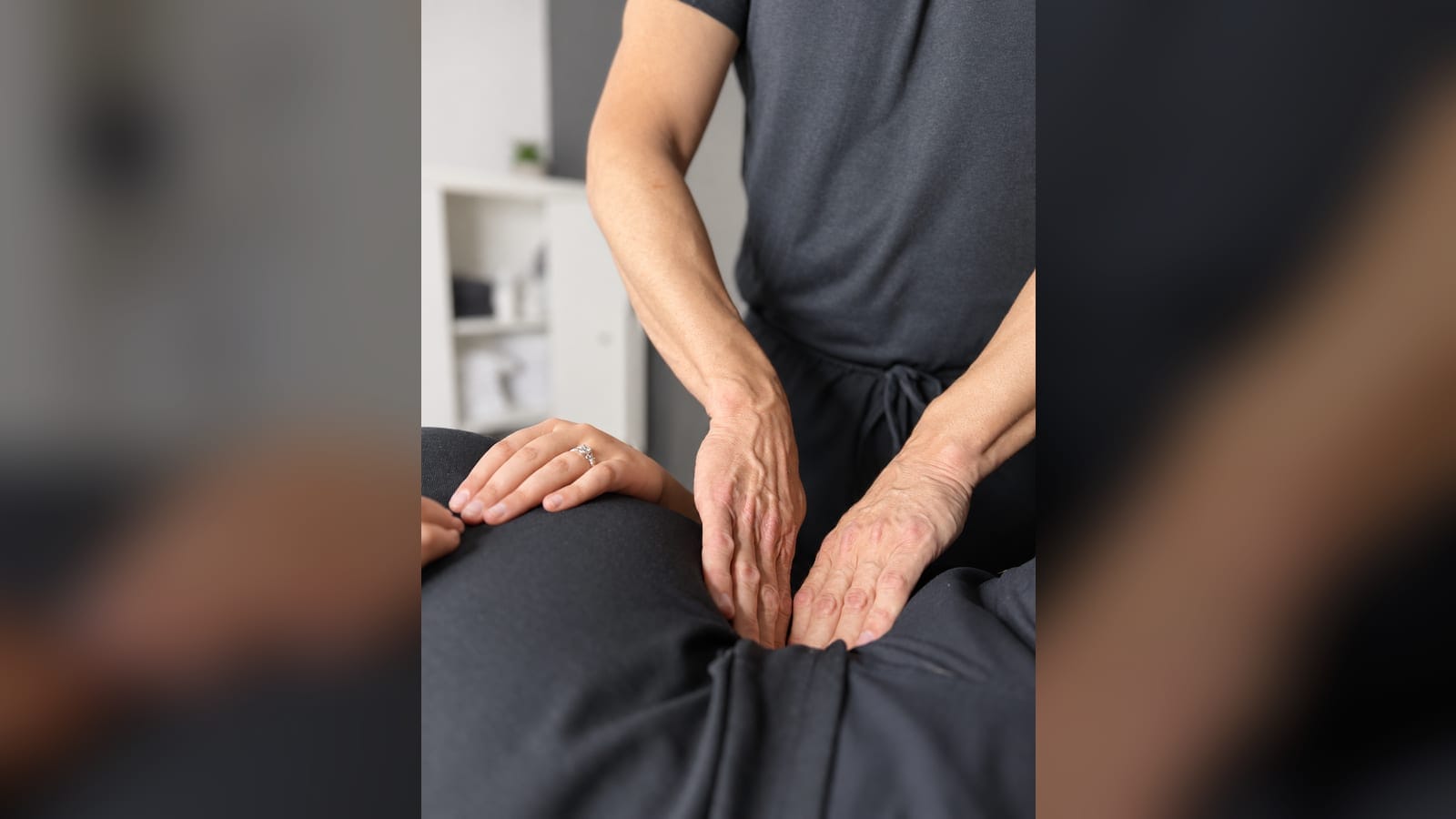
Therapeutic massage is a hands-on service delivered by registered massage therapists, or RMTs. A massage therapist works on muscle tension, stiffness, and soreness through techniques like deep tissue work, trigger point release, and mobilization. Think of it as the "release and recovery" service. If your neck and shoulders tighten up from a long commute to Calgary, your legs feel heavy after working in the yard, or you simply carry stress in your muscles, massage helps release that tension and improve blood flow to the area.
Revival’s registered massage therapists, William and Malena, use hands-on techniques to ease muscle tightness and support your overall recovery. Therapeutic massage sessions typically last 30 to 60 minutes and may be booked as often as weekly or as a one-time session, depending on your needs.
How They Work Together
The most powerful recovery often combines both services. Massage eases muscle tension and improves circulation, making your muscles more ready for the strengthening work that athletic therapy provides. Athletic therapy then builds lasting strength and movement patterns so the problem does not come back. For example, if you injure your knee while playing hockey, massage might ease the swelling and tightness in your calf and thigh, and athletic therapy would rebuild your quad and hamstring strength so you can return to the rink with confidence.
When Should You Choose Athletic Therapy?
Acute Injuries and Sprains
Athletic therapy is the right choice after a clear injury event. If you roll your ankle stepping off a curb in downtown Airdrie, strain your hamstring during a youth sports game, or catch your low back reaching for something at work, athletic therapy can help you understand the injury and guide you through structured recovery. A CAT(C) will assess how much movement you’ve lost, which muscles feel weak, and what movement patterns might have contributed to the injury.
Athletic therapy is particularly useful in the first few days and weeks after an injury when you need expert guidance on what you can and cannot do safely. Many people try to push through pain on their own and end up reinjuring themselves or developing poor movement habits that cause new problems months later.
Work and Motor Vehicle Injuries
If you’re injured at work, athletic therapy may be covered by WCB-Alberta, meaning you typically do not pay out of pocket. If you’re injured in a motor vehicle accident, athletic therapy and specialized care through Revival can help you recover and navigate the claims process. In both cases, having a CAT(C) assess and guide your recovery is essential for returning to work safely and on schedule.
Movement Problems and Chronic Pain
Athletic therapy also helps when you have movement problems that have been around for weeks or months. Maybe you notice your shoulder feels unstable during overhead work, your hip pinches when you bend, or you cannot squat without pain. An athletic therapist will assess these movement patterns, identify the weak or tight areas contributing to the problem, and build a plan to address them. This is injury prevention and long-term performance improvement.
When Should You Choose Therapeutic Massage?
Muscle Tightness and Soreness
Massage is ideal when your muscles feel tight, sore, or fatigued. If you spent the weekend helping a neighbor move hay bales or hauling wood, your muscles will feel heavy and tender the next few days. A massage session can ease that soreness, improve circulation, and help you feel less stiff. Seniors in the Airdrie area who want to stay mobile and active often find regular massage helps them recover faster from physical work.
Stress and Tension Holding
Many people hold stress in their neck, shoulders, and lower back. If you commute to Calgary for work and spend much of the day at a desk, or if you’re a business owner managing a busy schedule, your body may be storing tension even when you are not thinking about it. Massage helps release that holding pattern and gives your nervous system a chance to calm down.
Support During Athletic Therapy
Massage is also a great complement during an athletic therapy program. While you’re doing your strengthening exercises with a CAT(C), regular massage can ease the soreness, improve blood flow to the working muscles, and help you recover between sessions. This combination often speeds up overall progress and makes the recovery feel easier.
How Do You Start Athletic Therapy and Massage in Airdrie?
Step-by-Step Getting Started
- Book a first visit. You can call Revival at 403-945-1530 or use the online booking page at https://builtbyrevival.janeapp.com to schedule your first appointment with an athletic therapist or massage therapist. Let them know what’s bothering you, how long it’s been a problem, and what activities you want to get back to.
- Arrive early and complete intake forms. Your CAT(C) or RMT will review your health history, ask about your injury or concern, and perform a hands-on assessment. They will watch how you move, ask you where it hurts, and test your strength and range of motion.
- Discuss your goals and timeline. Talk about what you want to achieve and when. Do you want to return to hockey in six weeks? Get back to pain-free yard work? Your therapist will help you set realistic goals and explain what a recovery timeline might look like.
- Follow your exercise plan and attend sessions. Athletic therapy works best when you practice the exercises your CAT gives you. Even 10 to 15 minutes of consistent practice at home makes a big difference.
- Communicate and adjust as you progress. Tell your therapist how you’re feeling and let them adjust your plan. If an exercise is too hard or causing pain in the wrong way, speak up.
- Gradually return to the activities you love. Your CAT will help you know when you are ready to try sport, lifting, or yard work again. This gradual return builds both physical and mental confidence.
- Learn prevention so you stay healthy long term. Ask your therapist about exercises and habits to keep you healthy moving forward. Athletic therapy is not just about solving problems, it is also about preventing them.
Can Athletic Therapy and Massage Replace Each Other?
They Serve Different Purposes
No, athletic therapy and massage cannot fully replace each other because they do different work in your body. Massage releases tension and improves blood flow, but it does not build the strength and movement control that athletic therapy develops. Athletic therapy builds lasting strength and movement patterns, but during the early stages of an injury when muscle tension is high, massage often helps you feel better and move more easily so you can engage with your therapeutic exercises.
The Right Approach Often Combines Both
If you have an injury or movement problem that you want to truly resolve, combining both services often leads to faster recovery and more lasting results. Think of massage as preparing your muscles for the work ahead, and athletic therapy as building the foundation to keep you healthy. Many people at Revival start with more frequent massage to ease acute pain and tension, then shift to athletic therapy as their pain improves and they are ready to rebuild strength.
Insurance and Direct Billing
Massage therapy is direct-bill with many insurance plans, meaning you may not pay out of pocket if you have private coverage. Athletic therapy is typically pay-up-front, except in cases of WCB-Alberta or motor vehicle accident claims. Your insurance booklet will tell you what is covered, and the team at Revival can answer questions about your specific plan when you call 403-945-1530.
What Conditions Do Athletic Therapy and Massage Help With?
Sports Injuries and Recovery
Whether you play hockey, soccer, curling, or any other sport in Airdrie or Cochrane, athletic therapy and massage can help you recover from sprains, strains, tendinitis, and overuse injuries. Young athletes benefit from early care that teaches good movement patterns and prevents future injuries. Older recreational athletes appreciate the support that helps them stay active and pain-free through their favorite sports.
Work and Repetitive Strain
If you work a desk job in Calgary and commute from Airdrie, your neck and shoulders may suffer. If you work on a farm or in landscaping, your back, knees, and shoulders feel the load. Athletic therapy and massage help address the strain that builds up from repetitive movement, awkward postures, and heavy lifting. WCB-Alberta coverage may apply if your injury is work-related, which means assessment and treatment may be covered.
MVA Recovery and Concussion Management
If you are injured in a motor vehicle accident, specialized care including athletic therapy and concussion management is available at Revival. Your CAT and the team can help you recover safely and support any insurance claims you need to file.
Everyday Aches and Movement Issues
You do not need a known injury to benefit from athletic therapy and massage. If you notice tightness, poor movement, or chronic soreness that limits your activities, these services help. Seniors in Airdrie and the surrounding area often use athletic therapy to maintain mobility and independence, and massage to ease the tension that comes with daily life.
Rehabilitation and Long-term Recovery
For more serious injuries or surgeries, rehabilitation and recovery programs at Revival help you rebuild strength, range of motion, and confidence. Your CAT will work closely with your doctor or surgeon to ensure your exercises are safe and appropriate for your stage of healing.
How Often Should You Come In?
Athletic Therapy Frequency
For acute injuries, many people benefit from athletic therapy once or twice per week for the first few weeks, then transition to every other week as they improve. Chronic conditions or long-term rehab might involve sessions every one to two weeks for several months. Your CAT will recommend a frequency that matches your injury, your goals, and your schedule. Some people come in weekly to stay accountable and get hands-on guidance, while others come bi-weekly and do most of their work at home.
Massage Frequency
Massage frequency varies widely depending on your needs. Some people come weekly during recovery from an injury or a stressful period. Others come monthly for maintenance and relaxation. If you are managing chronic muscle tension from your commute or work, bi-weekly sessions may feel best. Discuss your goals with William or Malena, and they will recommend a frequency that fits your body and your budget.
Combining Both Services
If you are using both athletic therapy and massage, you might do athletic therapy once per week and massage every other week, or some other combination. Some people do both services in the same week when their injury is acute, then space them out as they improve. Your CAT or RMT will help you plan a schedule that supports your recovery without overwhelming your calendar or budget.
Where to Find Us in Airdrie
Clinic Location and Accessibility
Revival Therapeutics & Performance is located in Airdrie and serves patients from Airdrie, Calgary north, Crossfield, Cochrane, and the Balzac area. We are easy to access whether you live in Airdrie or are making the trip from a nearby community. To check current hours and book your appointment online, visit https://builtbyrevival.janeapp.com or call 403-945-1530. Our team welcomes first-time patients and is happy to answer questions about how we can help you.
Our Team and What to Expect
We have certified athletic therapists, registered massage therapists, and a specialized therapist trained in vestibular rehabilitation and concussion management. Learn more about our team and get a feel for who you might work with. Check out what to expect on your first visit to walk in feeling prepared and confident.
Frequently Asked Questions
Can I see an athletic therapist for prevention rather than treating an injury?
Yes, absolutely. Many active people in Airdrie and the surrounding area use athletic therapy to prevent injuries before they happen. Your CAT can assess your movement, identify weak spots or movement patterns that might lead to injury, and give you exercises to strengthen and mobilize those areas. This is especially helpful if you play sport, do farm work, or have a physically demanding job. Prevention is much easier than recovery.
How much does athletic therapy and massage cost?
Athletic therapy is typically pay-up-front at Revival. Massage therapy may be direct-billed to your insurance plan depending on your coverage. If you have WCB-Alberta coverage for a work injury, or if you were injured in a motor vehicle accident, different billing may apply. Your insurance plan booklet will tell you what is covered. For specific questions about cost and coverage, call 403-945-1530 and our team can discuss your situation.
What if I have had this pain for years? Can athletic therapy still help?
Yes. Chronic pain and long-standing movement problems often respond well to athletic therapy because they usually involve patterns that your body has learned over time. A CAT will assess where your current restrictions are, why they developed, and design a plan to gradually change those patterns. This may take longer than treating a fresh injury, but many people report significant improvement in long-standing problems through consistent work with an athletic therapist.
Do I need a referral from my doctor to book athletic therapy?
No, you do not need a referral to book athletic therapy or massage at Revival Therapeutics & Performance. You can call 403-945-1530 or book online at https://builtbyrevival.janeapp.com. That said, if you are recovering from surgery or a serious medical condition, it is always good to check with your doctor before starting therapy.
What is the difference between Revival and a physiotherapy clinic?
Revival Therapeutics & Performance specializes in athletic therapy and therapeutic massage. Athletic therapy focuses on assessment, exercise prescription, and hands-on techniques to help you move better and recover from injury. While physiotherapy is a different profession available at other clinics in Alberta, Revival’s approach centers on the athletic therapy model and therapeutic massage. Our team is equipped to handle sports injuries, workplace injuries, MVA recovery, and general movement concerns.
How long does it typically take to recover from an ankle sprain with athletic therapy?
Recovery time depends on the grade of your sprain and how consistently you do your exercises. A mild ankle sprain might improve in two to four weeks with athletic therapy, while a more serious sprain could take six to eight weeks or longer. Your CAT will give you a personalized timeline after assessing your ankle. The key is consistent work and gradual return to activity rather than pushing too hard too fast.
Can massage help if I have chronic tension from sitting at a desk all day?
Research suggests that therapeutic massage can help ease muscle tension, improve circulation, and reduce stress-related muscle holding. Many people who commute to Calgary or Airdrie and spend their workday at a desk find that regular massage helps them feel less stiff and more mobile. Combining massage with stretches or movement exercises recommended by an athletic therapist may give you stronger long-term results.
What if I am not sure whether I need athletic therapy, massage, or both?
Call Revival at 403-945-1530 or book a consultation appointment online at https://builtbyrevival.janeapp.com. Our team can listen to your situation, ask clarifying questions, and recommend the best starting point for you. Many people book an athletic therapy assessment first to understand their movement problem, then add massage if muscle tension is high. Your first visit is a chance to ask all your questions and make a plan together.